
Lights Flickering?
It’s an unsettling feeling. The steady, reliable light in your room suddenly stutters, dips, or strobes. When lights flickering disrupt your home, your first thought is probably, “Is this a minor annoyance or a major problem?”
The answer can be both. Sometimes, the cause is completely harmless. But in other cases, flickering lights are your home’s early warning system for a serious and dangerous electrical fault. Understanding the difference is key to keeping your home and family safe.
This guide will walk you through the top three causes, from the simple to the serious, and give you a clear checklist for when you need to call for emergency repairs.
First, Ask: Is It One Light or the Whole House?
This is the most important diagnostic question you can answer.
- If it’s a single light or room: The problem is likely isolated to that specific bulb, fitting, or switch.
- If it’s affecting multiple rooms or the whole house: The issue is likely further down the line, potentially at your switchboard or even with the mains connection to your property. Widespread flickering is always more serious.
Cause #1: The Bulb or Light Fitting Itself (The Simple Fix)
If the flickering is contained to a single light, the cause is often simple.
A Loose or Faulty Bulb
Before you panic, check the bulb itself. It may simply be loose in its socket. If tightening it doesn’t work, the bulb (especially if it’s an older fluorescent or a cheap LED) could be failing. Try swapping the bulb with a new one or one from a working lamp to see if the problem disappears.
Incompatible Dimmer Switches
Are your led lights flickering when connected to a dimmer? Many modern LED bulbs are not compatible with older dimmer switches. This mismatch can cause flickering, buzzing, and can shorten the life of the bulb. The solution is to either use a non-dimmable bulb or upgrade the dimmer switch to an LED-compatible model.
Cause #2: Circuit Overload (The Warning Sign)
If you notice flickering lights in house only when a large appliance turns on—like your air conditioner, dryer, or microwave—you are likely experiencing a temporary circuit overload.
These powerful appliances draw a huge amount of current when they start up, causing a momentary voltage drop across the circuit which you see as a brief dimming or flicker in your lights. While a momentary dip can be normal in some homes, if it’s frequent, severe, or getting worse, it’s a sign that your circuits are struggling to keep up with your home’s demands. This can put a strain on your wiring and your switchboard, which can be a fire hazard if it’s outdated.
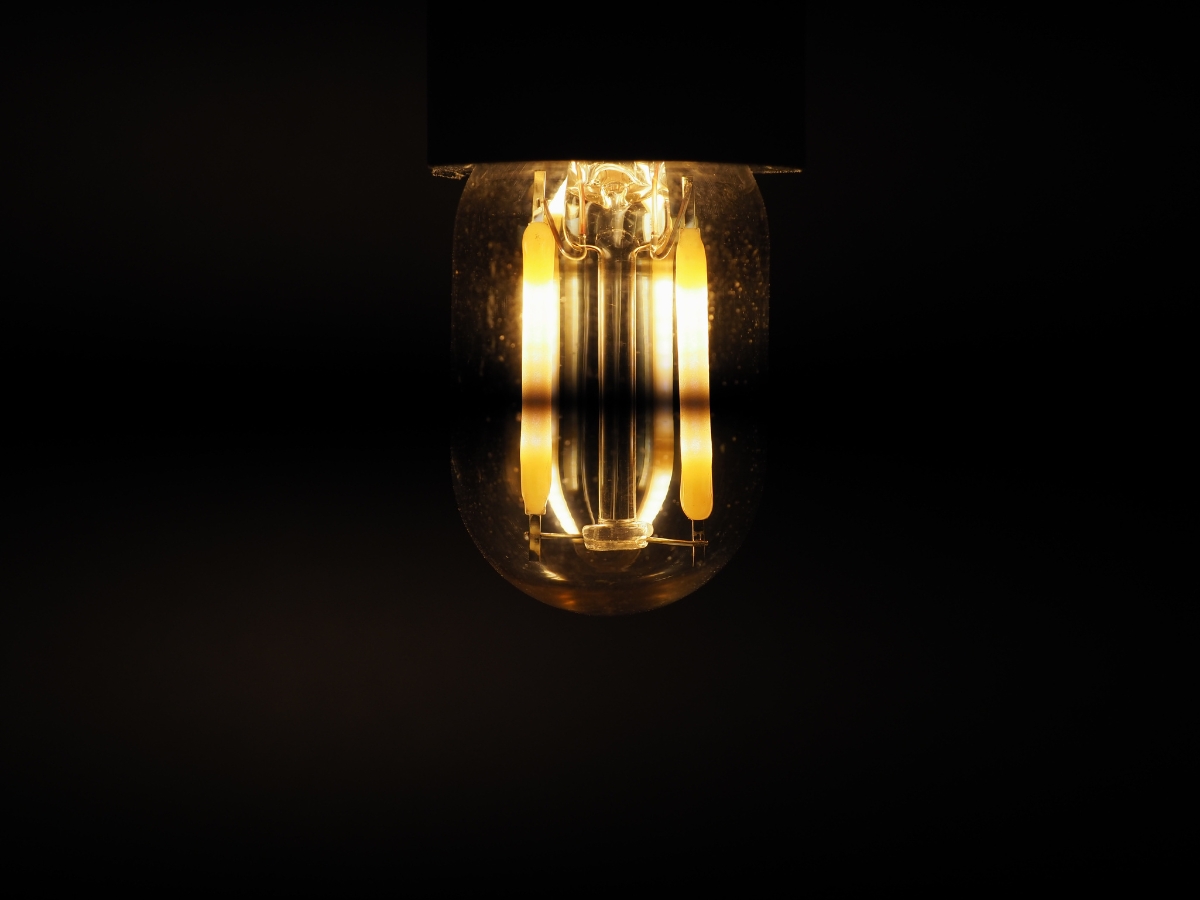
Cause #3: Loose Wiring or Connections (The Dangerous Fault)
This is the most serious category. A consistent, rhythmic, or random flicker that isn’t related to appliances is often caused by a loose electrical connection somewhere in your system. This is dangerous because a loose wire can create an electrical arc—a small spark that jumps across the gap. According to the Queensland Fire and Emergency Services (QFES), electrical faults are a leading cause of house fires, and arcing is a primary culprit.
This dangerous fault can be located in several places:
- In the light switch or wall outlet.
- Within the circuit wiring inside your walls or ceiling.
- At your switchboard.
- At the mains connection point where power enters your house.
Attempting to fix this yourself is one of the biggest dangers of DIY electrical work and is illegal in Queensland.
When to Call for Emergency Electrical Repairs: The Red Flags
Do not wait. Call an emergency electrician immediately if your flickering lights are accompanied by any of these red flags:
- A burning smell: This indicates a connection is actively overheating and melting its plastic insulation.
- Buzzing or crackling sounds: This is the sound of electrical arcing and is extremely dangerous.
- Scorch marks or discolouration: Check the switches and outlets connected to the flickering lights for any brown or black marks.
- Frequent tripping: The flickering is happening at the same time your safety switch keeps tripping.
- The flickering is constant and widespread: If lights in multiple rooms are flickering persistently, the fault is likely at your switchboard or mains supply and requires immediate professional attention.
The Electrical Safety Office of Queensland stresses the importance of professional diagnosis for any persistent electrical issue.

Don’t Let a Flicker Turn Into a Fire
While a one-off flicker might just be a power grid fluctuation, you should never ignore persistent or worsening flickering lights. It’s your home’s way of telling you that something is wrong. Acting quickly can be the difference between a simple repair and a devastating fire.
If you’re experiencing widespread flickering or any of the red flag symptoms, don’t wait. For 24/7 emergency electrical repairs on the Sunshine Coast and in Brisbane, contact Joel at Limitless NRG Solutions immediately.