
Electrical Safety Checklist
In our busy lives, electricity is an invisible convenience we rely on every minute. But behind every light switch and power point is a powerful force that demands respect. A faulty or outdated electrical system is one of the most significant hidden dangers in any home. For Sunshine Coast residents, being proactive is key to preventing disaster.
This is why we’ve created the essential electrical safety checklist for 2025.
Whether you’re a homeowner, a landlord, or a renter, this simple guide will help you identify potential hazards, perform basic safety checks, and know exactly when it’s time to call a professional.
Why a Regular Home Electrical Safety Inspection Matters
Ignoring your electrical system is like never checking the brakes on your car. Small, unnoticed faults can escalate into catastrophic failures. The Electrical Safety Office (ESO) Queensland is the state’s lead agency for electrical safety and strongly advocates for regular checks. A routine inspection can uncover issues like deteriorating wiring, faulty safety switches, or overloaded circuits before they lead to fire or electric shock.
Your Monthly DIY Electrical Safety Checklist
These are simple, quick checks you can perform every month to catch common problems early.
1. Test Your Safety Switches (RCDs)
Safety switches are your number one defence against electric shock. They are designed to trip in a fraction of a second when they detect a fault.
- How to Check: Locate your switchboard. Find the switches marked with a ‘T’ for ‘Test’. Press the ‘T’ button firmly. The switch should immediately flick to the ‘OFF’ position. If it doesn’t, it’s faulty and needs to be replaced by an electrician.
- Reset: After a successful test, simply flick the switch back to ‘ON’.
2. Check Power Points and Light Switches
- What to Look For: Visually inspect all power points and light switches. Are there any cracks, chips, or discolouration? Are they warm to the touch? A warm switch plate is a serious red flag for a wiring issue behind the wall.
- Action: Stop using the outlet or switch immediately and call a licensed electrician.
3. Inspect Cords and Appliances
- What to Look For: Check the cords on your most-used appliances (kettle, toaster, phone chargers) for any signs of fraying, cracking, or exposed wires. Ensure plugs fit snugly into outlets. A loose plug can create a poor connection and generate heat.
The Annual Deep-Dive Checklist
Once a year, take a slightly more detailed look at your home’s electrical system.
1. Visually Inspect Your Switchboard
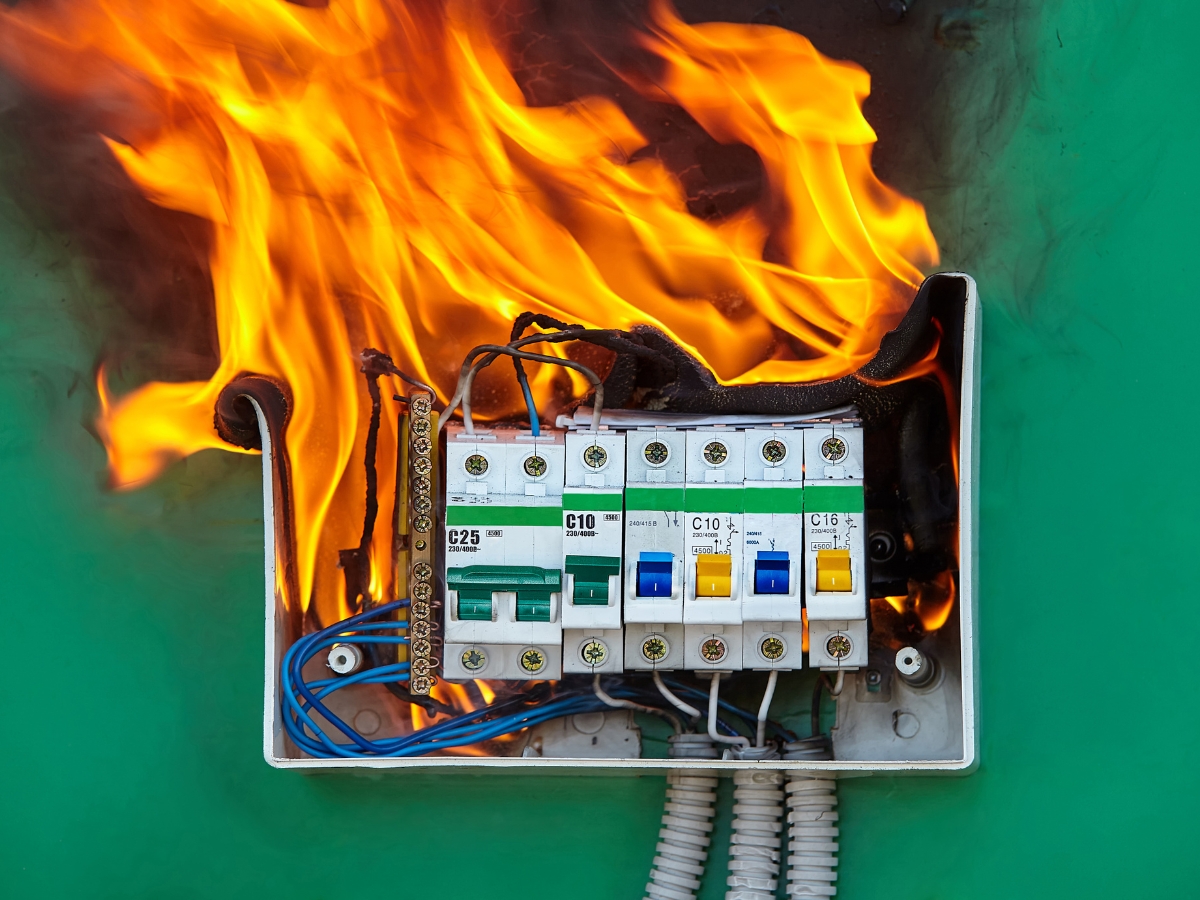
While you should never touch the wiring, you can look for obvious signs of trouble like the ones mentioned in our guide to 7 Warning Signs Your Switchboard is a Fire Hazard. Look for scorch marks, listen for buzzing sounds, and check for any signs of moisture.
2. Check Your Smoke Alarms
As outlined in the Queensland Fire and Emergency Services (QFES) statistics, functioning smoke alarms are critical. Test the button on each alarm and ensure you are meeting the new Queensland legislation. Not sure if you’re compliant? Review the QLD Smoke Alarm Deadline 2027 requirements.
3. Look for Over-reliance on Extension Cords
Are extension cords and power boards a permanent feature in your home? This is often a sign that you don’t have enough power points, which can lead to overloading circuits. This is a common but preventable fire risk.
Special Considerations for Renters
If you are renting on the Sunshine Coast, your landlord has specific legal obligations. According to the Residential Tenancies Authority (RTA) Queensland, the property owner is responsible for ensuring the property’s electrical system is safe and in good repair.
- Your Role: As a tenant, your responsibility is to perform the simple checks on this rental checklist and immediately report any issues—like a non-functional safety switch or a cracked power point—to your property manager or landlord in writing.
Monthly DIY Electrical Safety Checklist
- Test Safety Switches (RCDs): Firmly press the ‘Test’ or ‘T’ button on each safety switch in your switchboard. The switch must immediately flick to the ‘OFF’ position. Remember to flick it back ‘ON’ afterwards.
- Check Power Points & Switches: Look for any visible cracks, chips, or scorch marks. Check if any switch or outlet feels warm to the touch—a major warning sign.
- Inspect Appliance Cords: Quickly check your most-used cords for any fraying, exposed wiring, or damage near the plug. Ensure plugs fit securely in their sockets.
Annual Deep-Dive Checklist
- Visually Inspect Switchboard: Look for any signs of discolouration or scorch marks, listen for any crackling or buzzing sounds, and check for any moisture or dampness around the unit.
- Test All Smoke Alarms: Press the ‘Test’ button on every smoke alarm in the house to ensure the battery and alarm are functional.
- Assess Extension Cord Use: Take note of any extension cords or power boards that are being used as a permanent solution. This indicates a shortage of safe power points.
The Ultimate Safety Net: A Professional Home Electrical Safety Inspection
This DIY electrical safety checklist is a fantastic first line of defence. However, it cannot replace the trained eye of a professional. A licensed electrician can perform a comprehensive home electrical safety inspection that includes testing wiring, checking connections, and ensuring your entire system is safe and compliant. We recommend a professional inspection every 3-5 years, or immediately after moving into a new home.
Don’t leave your family’s safety to chance.
If you’ve found any issues on this checklist or want a professional inspection for total peace of mind, contact Joel at Limitless NRG Solutions for expert help on the Sunshine Coast and in Brisbane.